What social care support for disabled children can families request?

Matt Bell
Social care support for disabled children is often misunderstood. Many families are wary of contacting children’s social care because they associate it only with safeguarding, child protection or crisis intervention, when in fact disabled children’s social care can also provide practical support that helps a child and family manage daily life.
This guide explains what social care is responsible for, what families can ask for, how it connects with Education, Health and Care Plans (EHCPs), and how Navigate SEND helps families and professionals make sense of the process.
The short answer
Social care support for disabled children can include assessment, short breaks, respite, direct payments, support to access the community, personal care, home help, equipment, adaptations, travel assistance, support for family life and transition planning for adulthood. For children, the main legal framework is the Children Act 1989, supported by the Chronically Sick and Disabled Persons Act 1970 and short breaks regulations. For young people over 18, the Care Act 2014 usually becomes central.
A social care referral does not automatically mean child protection. Disabled children’s social care is often about identifying what support is needed so the child can develop, participate, stay safe and live as ordinary a family life as possible.
Why families are often wary of social care
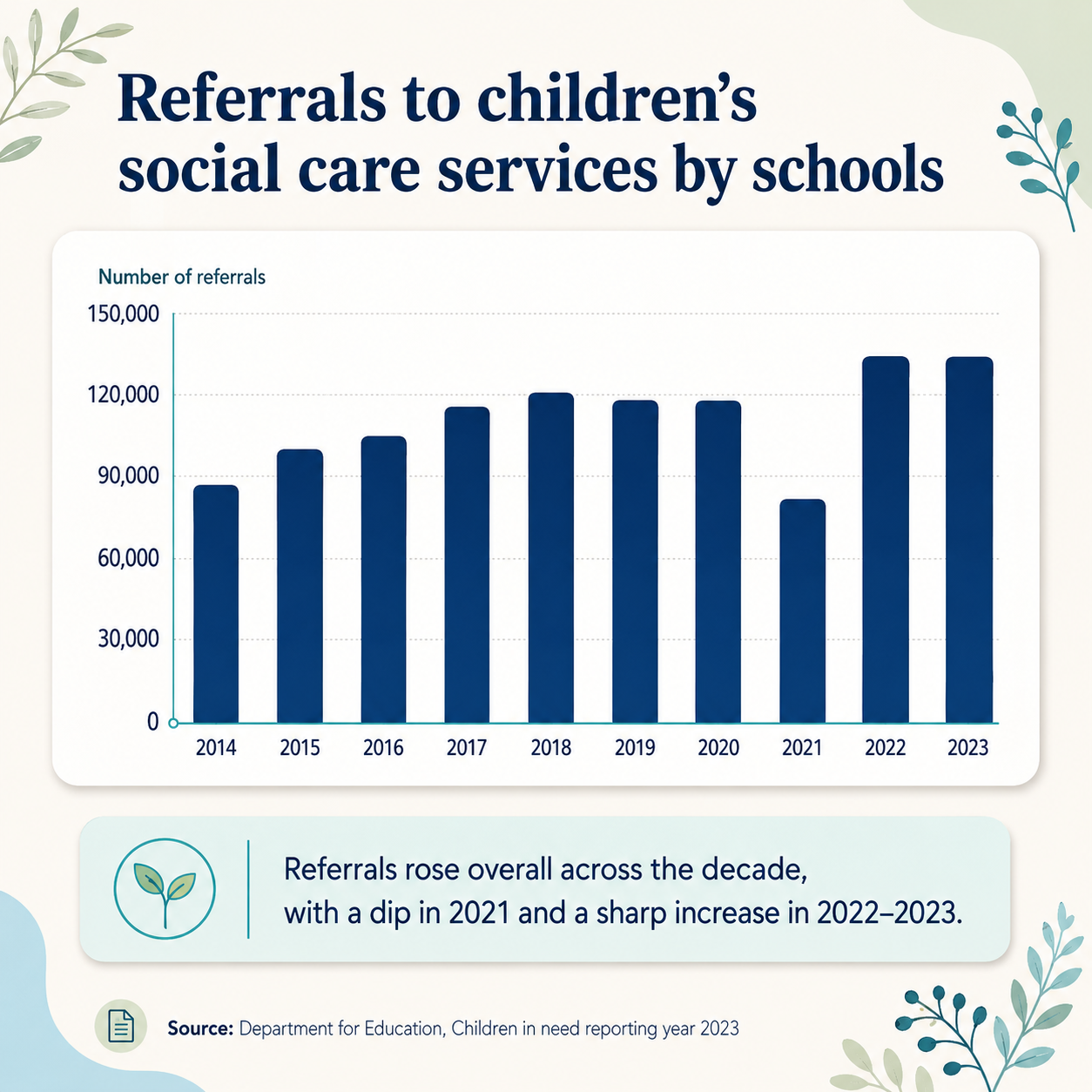
Families may hesitate to ask social care for help because they fear being judged, misunderstood or escalated into safeguarding processes. This is understandable, especially where families have already had difficult experiences with services.
But children’s social care is not one single thing. It includes safeguarding, but it also includes support for children in need, disabled children, parent carers and families under pressure.
For disabled children, social care may be relevant where a child needs support with personal care, supervision, sleep, behaviour, accessing activities, mobility, home safety, respite, community inclusion or preparation for adulthood. The aim should not be to blame families. The aim should be to understand the child’s needs and what support is required.
The Children Act 1989 says a child is “in need” if they are unlikely to achieve or maintain a reasonable standard of health or development without local authority services, if their health or development is likely to be significantly impaired without services, or if they are disabled.
For families, the practical message is this: asking for social care support is not the same as saying you cannot care for your child. It may simply mean that the level of support needed is more than a family can reasonably manage without help.
What is children’s social care responsible for?
Children’s social care is responsible for assessing and supporting children in need, including disabled children, and their families.
Support can vary depending on the child’s needs, local eligibility criteria and the outcome of assessment. It may include:
- short breaks or respite;
- direct payments;
- support workers;
- personal care;
- help to access clubs, activities or the community;
- support during school holidays;
- assistance with travel connected to services;
- home help;
- adaptations or equipment routes;
- occupational therapy assessment;
- support for family routines;
- parent-carer assessment;
- transition planning into adult social care;
- support where the child’s needs are placing the family under significant strain.
The Chronically Sick and Disabled Persons Act 1970 is still important because section 2 sets out a list of services that may be provided to disabled people, including practical assistance in the home, recreational facilities, assistance with travel to access services, and adaptations or additional facilities in the home.
Short breaks are also specifically recognised. GOV.UK guidance explains that the Short Breaks Regulations give detail on how local authorities must perform their care duty under the Children Act 1989, including who should be considered for breaks and what services should be provided.
What can families actually request?
Families can usually request a children’s social care assessment or child in need assessment where they believe a disabled child needs support.
A request might say:
“My child is disabled and we are requesting a children’s social care assessment under section 17 of the Children Act 1989. We would like the assessment to consider personal care, access to the community, short breaks, family support, sleep, supervision, safety, direct payments and parent-carer needs.”
Families can also request a parent carer's needs assessment. This looks at whether it is appropriate for the parent carer to provide, or continue to provide, care for the disabled child, and what support the parent carer may need. The Children Act 1989 section 17ZD sets out this assessment duty.
Families may also request:
-
an occupational therapy assessment for equipment or adaptations;
- direct payments instead of commissioned services;
- short breaks or overnight respite;
- holiday support;
- community access support;
- support for siblings where family life is affected;
- a transition assessment before adulthood;
- social care advice as part of an EHC needs assessment or annual review.
Home adaptations may involve a separate Disabled Facilities Grant route. GOV.UK explains that Disabled Facilities Grants can help fund changes such as ramps, grab rails, stairlifts, level-access showers, garden access or extensions where needed by a disabled person.
The key is to be specific. “We need help” is true, but “we need an assessment of night-time care, community access, personal care and parent-carer strain” is easier for services to act on.
What are the assessment timelines?
The current statutory safeguarding guidance is Working Together to Safeguard Children 2026. It says that after a referral, the local authority should decide within one working day what response is required, and that a full assessment should be completed within 45 working days where one is needed.
The assessment should look at the child's needs, parenting capacity, and family and environmental factors. That does not mean the family is being blamed. It means the assessment should understand the whole situation: the child's development, care needs, home environment, family pressures, risks, strengths and what support would make a difference.
If support is agreed, the plan should be clear. Families should ask:
-
What needs have been identified?
- What support will be provided?
- Who will provide it?
- How often will it happen?
- Is it a direct payment or a commissioned service?
- When will it start?
- When will it be reviewed?
- What should we do if it is not working?
If an assessment takes longer than 45 working days, families should ask for the reason and what interim support is being considered.
How does social care fit into an EHCP?
Social care can appear in an Education, Health and Care Plan, but this part of the plan is often poorly understood.
In an EHCP:
-
Section D describes social care needs related to the child or young person's SEND.
- Section H1 describes social care provision that must be made for a child or young person under 18 under section 2 of the Chronically Sick and Disabled Persons Act 1970.
- Section H2 describes other social care provision reasonably required by the child or young person's learning difficulties or disabilities.
The SEND Code of Practice explains that Section H1 should specify all services assessed as being needed for a disabled child or young person under 18 under section 2 of the Chronically Sick and Disabled Persons Act 1970, and that Section H2 can include residential short breaks and social care direct payments.
There is one crucial point: if social care provision educates or trains a child or young person, it should be treated as special educational provision. This means it may belong in Section F, not Section H. This can matter for provision such as social skills work, independence training, travel training or structured community-based learning.
A day centre, community access programme or independence package might look like social care, but if it is teaching or training the young person, it may need to be considered as education or training provision.
What changes at 18?
For social care, the child/adult divide usually happens at 18, not 16. This can be confusing because SEND rights often shift to the young person after compulsory school age, but children's social care law generally applies until 18.
If a young person is likely to have care and support needs after 18, a transition assessment may be needed under the Care Act 2014. The Care Act statutory guidance says the Act applies to adults with care and support needs, and in specific circumstances to children, carers and young carers when they are subject to transition assessments.
The Care Act focuses on wellbeing, including personal dignity, physical and mental health, control over daily life, participation in education, training or recreation, relationships, suitable accommodation and contribution to society.
For young people with EHCPs, this matters because education, care and preparation for adulthood often overlap. A young person may need support with independent living, personal care, travel, community access, social participation, supported employment, college attendance or day opportunities.
Families should not wait until the young person's 18th birthday. Transition planning should start early enough to avoid a cliff edge.
What current public issues should families know about?
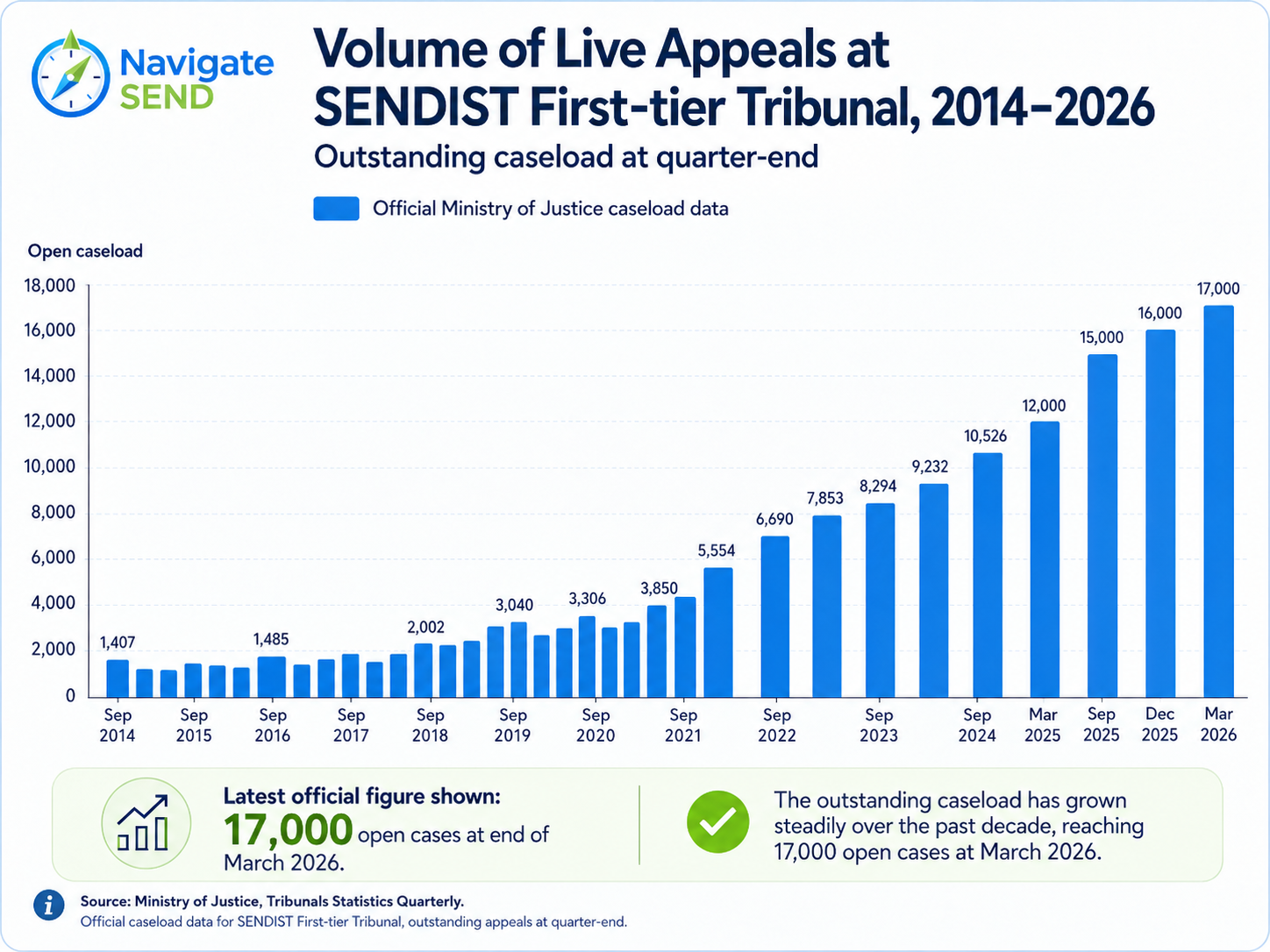
Disabled children's social care has been heavily criticised as confusing, inconsistent and difficult for families to access.
The Law Commission published its final report on disabled children's social care in September 2025. It said families and local authorities currently have to navigate a complex web of overlapping laws from the 1970s and 1980s, creating confusion and inconsistent provision. The Law Commission recommended a clearer, more modern framework for disabled children's social care, but those recommendations are not yet the current law.
Parliament's Education Committee reported on children's social care in July 2025, including care for disabled children. The inquiry heard concerns about shortages and pressures across children's social care.
The Local Government and Social Care Ombudsman's annual review for 2024–25 reported record complaint levels, with Education and Children, Adult Care and Housing services dominating its casework. Individual Ombudsman decisions have also highlighted problems such as delayed assessments, poor complaint handling and disputes around respite or disabled children's services.
The National Audit Office has also reported major pressure in children's residential care, with local authority spend on children in residential care rising from £1.6 billion in 2019–20 to £3.1 billion in 2023–24.
These public concerns match what many families experience: uncertainty, thresholds that feel too high, long waits, inconsistent short breaks, and difficulty understanding what can be requested before crisis point.
How Navigate SEND supports social care issues
Navigate SEND helps families and professionals make sense of how social care fits into the wider SEND picture.
We can help by:
- identifying whether the issue is education, health, social care or a combination;
- preparing a clear request for a child in need or disabled child assessment;
- helping families list the support they want assessed;
- reviewing Section D, H1 and H2 of an EHCP;
- identifying whether provision may belong in Section F because it educates or trains;
- helping families prepare for annual reviews where social care is missing;
- organising evidence about personal care, community access, family strain and respite;
- helping families ask for parent-carer needs assessments;
- supporting transition planning into adult social care;
- clarifying complaint, mediation or review routes where social care decisions are unclear.
Many families do not need more jargon. They need a clear map of what is happening, who is responsible and what the next written request should say.
Questions families often ask
Is asking social care for help the same as child protection?
No. Children's social care includes safeguarding, but it also includes support for children in need and disabled children. Asking for help with respite, community access, personal care or family support does not automatically mean a child protection process.
What support can social care provide for a disabled child?
Support may include short breaks, direct payments, personal care, community access, home help, equipment, adaptations routes, support during holidays, travel assistance, family support and transition planning. What is provided depends on assessment and eligibility.
Can social care support be written into an EHCP?
Yes. Social care needs can be recorded in Section D, and social care provision can appear in Section H1 or H2. If the support educates or trains the child or young person, it may need to be treated as special educational provision in Section F.
Can parents ask for their own needs to be assessed?
Yes. Parent carers of disabled children can request a parent carer's needs assessment. This should consider whether it is appropriate for them to continue providing care and what support they may need.
Can Navigate SEND help with social care requests?
Yes. Navigate SEND can help organise the evidence, frame the request clearly, review EHCP social care sections and identify whether the issue should be handled through assessment, annual review, complaint, mediation or wider SEND strategy.
Next step
If you are unsure what social care should be doing, or how it connects with an EHCP, Navigate SEND can help you organise the situation, prepare a clear request and identify the strongest next step. This might mean requesting an EHCP amendment where circumstances have changed.