How healthcare support in education works for children with SEND

Matt Bell
Healthcare support in education is one of the areas where families can quickly feel passed between systems. A child may be too anxious, unwell, fatigued or medically vulnerable to attend school, yet the school says it needs health advice, the NHS says there is a waiting list, and the local authority says education duties are separate.
This guide explains how health, education and SEND duties fit together, why the difference between “reasonable” health provision and more direct education duties matters, and how Navigate SEND helps families and professionals clarify the next step.
The short answer
Healthcare support in education can involve schools, local authorities, NHS services and, where there is an Education, Health and Care Plan (EHCP), the responsible health commissioning body. (england.nhs.uk) Schools must make arrangements to support pupils with medical conditions. Local authorities may need to arrange suitable education when a child cannot attend school because of illness or health needs. EHCPs can include health needs and health provision, but if a therapy or service educates or trains the child or young person, it may need to be treated as special educational provision in Section F.
The practical question is not simply “Is this health or education?” It is “What support is needed for this child or young person to access education, who is responsible for arranging it, and where should it be written down?”
Why health and education responsibilities become confused
Health and education systems do not always work at the same pace. Education problems can become urgent very quickly: a child is not attending, lessons are missed, anxiety increases, a placement becomes unstable, or a young person’s college course starts without the right support in place.
Health services often work differently. There may be referral thresholds, waiting lists, staged assessment processes and commissioning rules. Families may be waiting for Child and Adolescent Mental Health Services (CAMHS), occupational therapy, speech and language therapy, paediatrics, physiotherapy, continence advice, nursing support, autism assessment or ADHD assessment.
This creates a difficult gap. The child’s access to education may depend on health input, but the education system still needs a plan while that input is pending.
Common examples include:
- a child with anxiety who cannot attend school consistently;
- a young person waiting for CAMHS input while their college placement is breaking down;
- a pupil with fatigue or pain who needs a reduced, carefully planned education offer;
- a child with epilepsy, diabetes or complex medical needs needing an individual healthcare plan;
- a pupil needing therapy input to access communication, learning or independence;
- a child with health needs receiving work that is not accessible at home;
- disagreement about whether therapy belongs in Section F or Section G of an EHCP.
Families often need help not because they misunderstand their child’s needs, but because the system does not give them a clear route through.
What schools must do for pupils with medical conditions
Schools have duties to support pupils with medical conditions. This applies even where the child does not have an EHCP. (gov.uk)
In practice, this may involve an individual healthcare plan, staff training, medication arrangements, emergency procedures, risk assessment, communication with parents, and planning for trips, exams, physical education, attendance and reintegration after absence.
A good individual healthcare plan should be practical. It should explain what the condition is, what support is needed, who will provide it, what staff should do in an emergency, how medication is managed, and what happens if symptoms change during the day.
This matters because some children are not missing education because they lack ability or motivation. They are missing education because the environment, routine, staffing or health support is not safe or workable. In some cases, this can amount to disability discrimination.
For children with SEND, medical support should not be separated from learning support. A child with fatigue may need curriculum adjustments. A pupil with anxiety may need predictable transitions and a safe regulation plan. A young person with continence needs may need dignity, timing and access arrangements. A child with communication needs may need staff to understand how pain, distress or health needs are expressed.
The aim should be joined-up support, not a paper plan that sits in a drawer.
What if health needs mean a child cannot attend school?
Some children cannot attend school because of physical or mental health needs. This may be short-term, long-term, fluctuating or linked to a wider SEND picture.
Where a child of compulsory school age would not otherwise receive suitable education because of illness, exclusion or another reason, the local authority may have to arrange suitable education. This is often referred to as the section 19 duty. (gov.uk)
This is especially important for children with anxiety, depression, trauma, eating disorders, chronic fatigue, pain, post-viral illness, complex medical needs or health-related attendance barriers.
A key point for families is that education should not simply stop while everyone waits for a medical appointment. Health advice can be important, but the local authority should consider the individual facts and should not use an inflexible policy that says nothing can happen until a particular letter or diagnosis is produced.
The education arranged should be suitable. It may be full-time, or as close to full-time as the child’s health allows. For some children, this might involve home tuition, online provision, hospital education, alternative provision, hybrid learning, gradual reintegration, or a personalised package.
The right question is:
“What education can this child access now, given their current health needs, and how will that be reviewed?”
How health needs should appear in an EHCP
An EHCP should bring education, health and care needs together into one plan. That does not mean every health issue belongs in the plan, but health needs related to the child or young person’s SEND should be considered carefully. (gov.uk) Where health or educational provision is agreed, some families may also want to explore personal budgets and direct payments as a way of arranging that support.
In an EHCP:
- Section C describes health care needs related to the child or young person’s special educational needs.
- Section G describes health care provision reasonably required by those needs.
- Section F describes special educational provision.
The Section F and Section G distinction is one of the most important parts of this topic.
If provision is health care provision, it may belong in Section G. But if health care or social care provision educates or trains a child or young person, it is treated as special educational provision. That means it should be considered for Section F instead.
This is why therapies such as speech and language therapy, occupational therapy or some mental health-related provision can raise difficult questions. The issue is not who employs the therapist. The issue is what the provision does.
For example, if speech and language therapy teaches a child communication skills so they can access learning, it may be special educational provision. If occupational therapy teaches a young person strategies for handwriting, self-regulation, sensory access or independence in learning, it may also be educational in effect.
Families should be cautious where vital therapy is placed only in a vague health section or described as “access to advice”. If the provision is needed for education, the wording should be clear, specific and linked to the child or young person’s needs and outcomes.
“Reasonable” health duties and stronger education duties
This is where much of the confusion sits.
Health commissioning often uses language about what is “reasonably required” or what meets reasonable requirements. In an EHCP, health care provision in Section G must be agreed by the responsible health body and, once specified, should be arranged by that body.
Education duties are framed differently. The special educational provision specified in Section F must be secured by the local authority. In practical terms, Section F is usually the section families rely on most when education support is not being delivered.
This does not mean health is optional. It means that the route for securing health provision can feel different, and sometimes weaker, especially where health input is delayed, not specified, or only recommended rather than ordered.
For families, the practical test is often:
- Is the provision needed for the child or young person to access education?
- Does it educate or train?
- Is it written clearly enough to be delivered?
- Is it in the right section of the EHCP?
- Is the responsible organisation identified?
- What happens if the provision is not being delivered?
A plan that says “health input as required” is unlikely to be enough where a child needs specific therapy, nursing support, mental health provision or medical planning to access education.
Current publicised concerns around health and education
Recent public concern has focused on children and young people missing education because support is delayed, fragmented or unavailable.
There are several recurring themes.
First, mental health needs are increasingly linked with absence and reduced access to education. Many families report that a child is too anxious or distressed to attend school, while the school says attendance is expected and health services say the child is on a waiting list.
Second, some families experience long waits for health assessments or therapeutic input. That can leave schools trying to support needs without clear advice, while families are told that education decisions depend on health evidence.
Third, local authorities have been criticised where children out of school because of health needs were not considered properly under alternative education duties. Recent Ombudsman decisions have highlighted failures to consider section 19 duties, delays, and missed education. (lgo.org.uk)
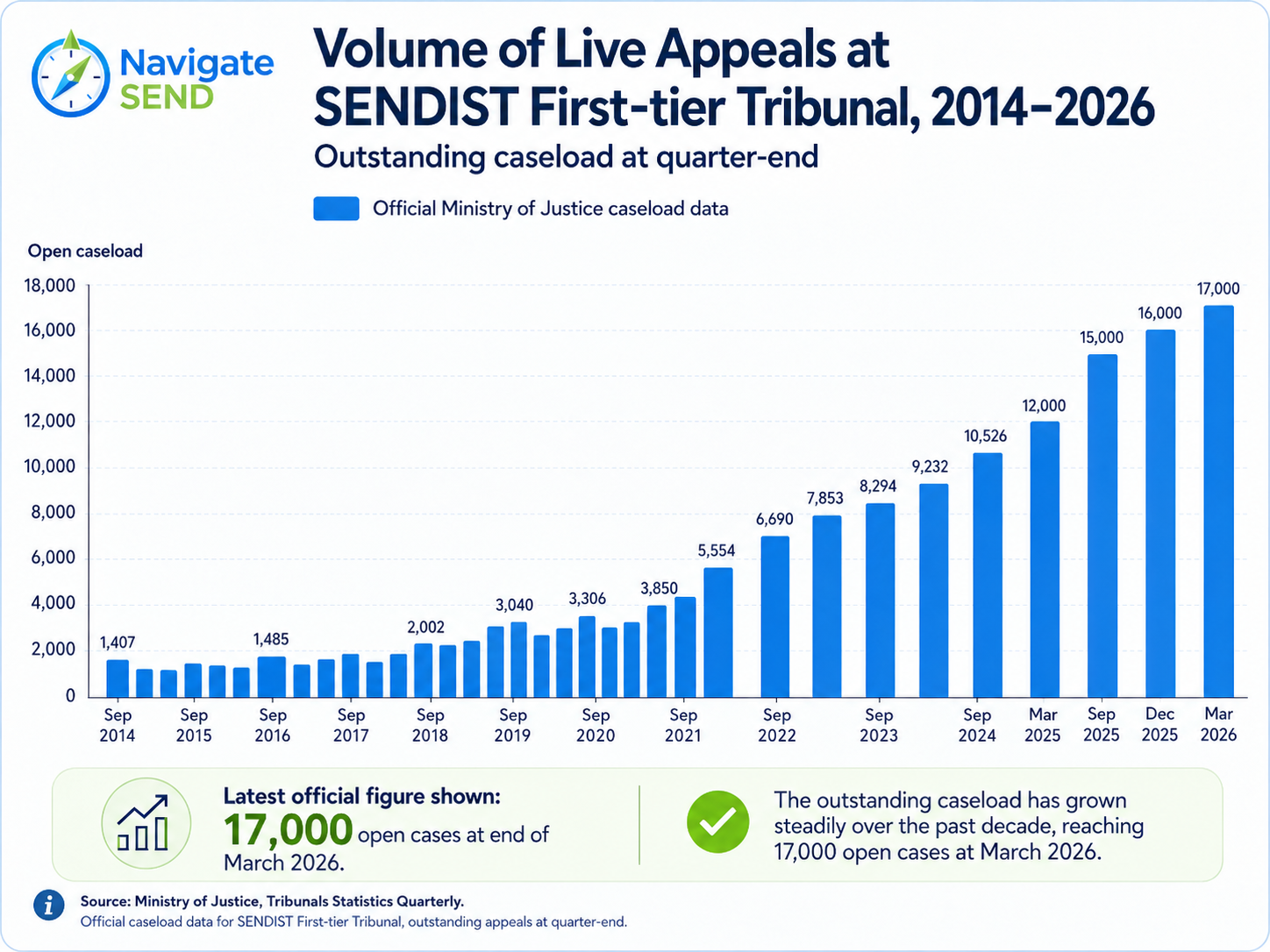
Fourth, the wider SEND system remains under pressure. National reports have described rising EHCP numbers, stretched local authority capacity, inconsistent support, and a system that is not delivering reliably enough for children and young people. (nao.org.uk, parliament.uk)
For families, the impact is immediate. A child may lose months of education while organisations debate whether the problem is medical, educational, attendance-related, behavioural or parental. The longer that continues, the harder reintegration can become.
What evidence helps when health is affecting education?
Families do not always need perfect evidence before asking for support, but they do need to organise what is known.
Helpful evidence may include:
- attendance records;
- GP, paediatric, CAMHS or therapy letters;
- school emails and meeting notes;
- individual healthcare plans;
- risk assessments;
- EHCP sections B, C, F and G;
- professional reports;
- examples of work missed or inaccessible work sent home;
- evidence of anxiety, fatigue, pain or medical episodes;
- parent logs;
- the child or young person’s own views;
- reintegration plans;
- records of referrals and waiting lists.
The strongest evidence usually explains impact. It does not simply say “the child has anxiety” or “the child has a medical condition”. It explains how that need affects attendance, learning, communication, stamina, safety, regulation, participation or independence.
How Navigate SEND supports families and professionals
Navigate SEND helps families and professionals make sense of cases where health and education responsibilities overlap.
We can help by:
- mapping who is responsible for what;
- reviewing whether the issue is school support, local authority education duty, EHCP provision or health commissioning;
- checking whether health-related provision may need to be in Section F or Section G;
- preparing questions for schools, local authorities or health professionals;
- supporting annual review preparation where health needs have changed;
- helping families organise evidence where a child is not attending;
- clarifying whether section 19 education should be considered;
- identifying whether an EHC needs assessment, reassessment or EHCP amendment may be needed;
- helping families respond when provision is delayed or not delivered.
This work is often about creating clarity. Families may know that something is wrong, but not whether the next step is a school meeting, a health complaint, a local authority request, an EHCP annual review, a section 19 challenge or a wider SEND strategy.
Questions families often ask
Is healthcare support in education part of SEND?
It can be. Some health needs are separate from SEND, but many health needs affect access to education. Where health provision educates or trains a child or young person, it may need to be treated as special educational provision.
What section of an EHCP covers health needs?
Health care needs related to SEND are usually recorded in Section C. Health care provision is usually recorded in Section G. If provision educates or trains, it may belong in Section F as special educational provision.
Can a child get education if they cannot attend school for health reasons?
Yes. If a child of compulsory school age would not otherwise receive suitable education because of illness or health needs, the local authority may need to arrange suitable education at school or otherwise.
Does the school need a medical diagnosis before making support arrangements?
Not always. Diagnosis can help, but schools and local authorities should consider the child’s actual needs and evidence available. They should avoid inflexible approaches that delay support unnecessarily.
Can Navigate SEND help where health delays are affecting education?
Yes. Navigate SEND can help organise the evidence, clarify whether the issue sits with school, health or the local authority, and prepare a clear next step to protect access to education, including mediation or appeal if the matter needs to go further.
Next step
If health needs, therapy delays or medical issues are affecting a child or young person’s access to education, Navigate SEND can help you understand the responsibilities, organise the evidence and identify the strongest next step.